


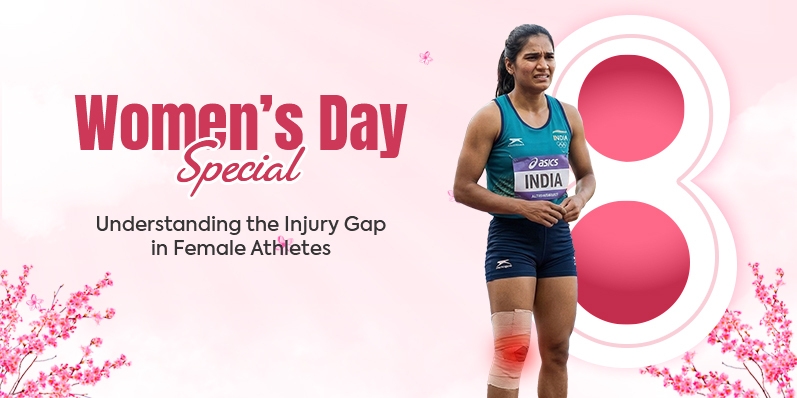
Why Female Athletes Face Higher ACL Injury Risk: Women’s Day Special
On this International Women’s Day, it is important to talk about a growing concern in sports medicine: the higher risk of ACL injuries in female athletes. Over the past decade, women have become stronger, faster, and more active in sports than ever before. However, their bodies follow slightly different biological and biomechanical rules that increase the likelihood of certain injuries, especially Anterior Cruciate Ligament (ACL) tears.
As a sports orthopedic doctor in Jaipur, I have treated many athletes who struggle with knee injuries that could have been prevented with better awareness and training strategies. Understanding the reasons behind this injury gap can help female athletes stay safer, stronger, and more confident in their performance.
The ACL Injury Gap in Female Athletes
Studies show that female athletes are up to 8 times more likely to suffer an ACL tear compared to male athletes. This is not simply a matter of bad luck; it is often linked to differences in body structure, hormones, and training patterns.
The ACL is a crucial ligament in the knee that stabilizes movement during activities such as running, jumping, and sudden direction changes. When this ligament tears, it can lead to severe pain, instability, and long recovery periods that may require ACL surgery in Jaipur performed by the best ACL surgeon in Jaipur.
If you experience symptoms like a popping sound in the knee, sudden instability, or swelling after a sports injury, it is important to consult a sports injury specialist near me or a knee injury doctor in Jaipur as soon as possible.
The Q-Angle: A Biomechanical Difference
One of the major reasons female athletes experience more ACL injuries is something called the Q-angle.
Women typically have wider hips than men, which creates a larger angle between the hip and knee. This alignment can cause a slight inward movement of the knee during landing or pivoting movements. As a result, extra stress is placed on the ACL ligament.
Sports like football, basketball, and volleyball involve frequent jumping and sudden directional changes. Without proper training and conditioning, these movements can increase the risk of ligament damage.
Consulting a sports medicine doctor near me can help athletes learn proper landing techniques and strengthening exercises to protect the knee joint.
The Hormonal Factor
Hormones also play an important role in injury risk.
Throughout the menstrual cycle, estrogen levels fluctuate. During certain phases, higher estrogen levels may make ligaments slightly more flexible. While flexibility is beneficial in many ways, it can also reduce joint stability and increase the risk of ligament injuries.
This hormonal influence is one of the reasons why female athletes may experience knee instability during high-impact sports activities.
A qualified athletic injury doctor near me can guide female athletes with injury prevention programs tailored to their physiology.
RED-S: When Energy Levels Drop
Another hidden factor affecting female athletes is Relative Energy Deficiency in Sport (RED-S).
RED-S occurs when the body does not receive enough energy through nutrition to support intense physical activity. This condition can lead to:
-
Low haemoglobin levels (anaemia)
-
Irregular menstrual cycles
-
Decreased bone density
-
Increased risk of stress fractures and ligament injuries
Proper nutrition and recovery strategies are essential for preventing injuries and maintaining peak performance.
Athletes recovering from injuries should also work with a sports physiotherapy clinic in Jaipur to rebuild strength and stability safely.
The Mental Challenge After Injury
Physical healing is only part of the recovery journey. Many athletes struggle with kinesiophobia, which is the fear of movement after an injury. Even after successful ACL knee surgery in Jaipur, procedures, and rehabilitation, athletes may feel anxious about returning to sport. Some even face an identity crisis when they are temporarily unable to train or compete.
To Know More: Shoulder Injury in Cricket: GIRD, SLAP Tear & Rotator Cuff Treatment