


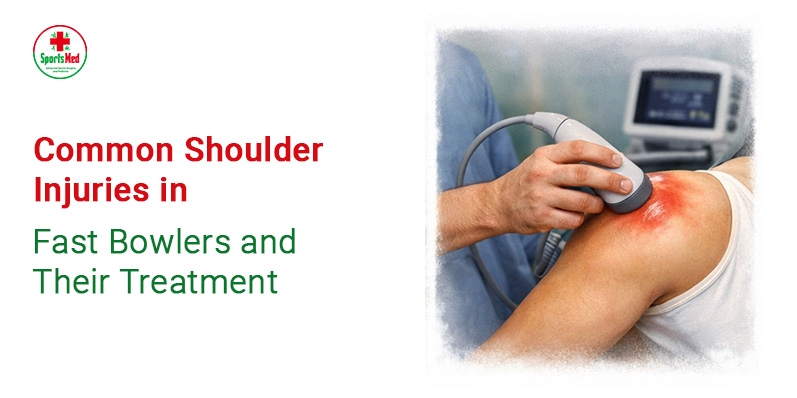
Common Shoulder Injuries in Fast Bowlers and Their Treatment
Shoulder injuries are a major concern for fast bowlers in cricket, as they often face high levels of strain due to the repetitive, high-impact motions of their bowling action. Whether you're a cricketer, coach, or physiotherapist, understanding the common shoulder injuries faced by fast bowlers, their symptoms, treatment options, and rehabilitation techniques is essential for prevention and faster recovery.
We’ll explore the most common shoulder injuries in fast bowlers and the treatment options available, especially focusing on shoulder injury treatment in Jaipur, including rotator cuff treatment, SLAP tear treatment, and much more.
Why Are Fast Bowlers Prone to Shoulder Injuries?
Fast bowling involves forceful overhead arm movements that put immense strain on the shoulder joint. Due to the repetitive nature of these actions, fast bowlers are more prone to shoulder injuries compared to other players. Over time, this can lead to muscle imbalances, tears, or joint instability, all of which can significantly hinder performance.
The most common shoulder injuries in fast bowlers include:
-
Rotator Cuff Injuries
-
SLAP Tears (Superior Labrum Anterior to Posterior)
-
Shoulder Impingement
-
Shoulder Dislocation
-
Frozen Shoulder
1. Rotator Cuff Injuries in Fast Bowlers
The rotator cuff is a group of muscles and tendons that help stabilize the shoulder joint. In fast bowlers, repetitive overhead motions and the high velocity of the bowling action can cause wear and tear to these muscles, leading to strains, tears, or inflammation.
Causes:
-
Overuse from repetitive bowling actions.
-
Poor biomechanics during the delivery stride.
-
Sudden impact or trauma to the shoulder.
Symptoms:
-
Pain when lifting the arm.
-
Weakness in the shoulder, especially during throwing or bowling.
-
Decreased range of motion in the shoulder joint.
Treatment:
-
Rest and Ice: Applying ice and resting the shoulder helps reduce inflammation and pain.
-
Rotator Cuff Treatment in Jaipur: Physiotherapists often recommend strengthening exercises for the rotator cuff muscles to improve stability.
-
Surgical Options: In cases of severe rotator cuff tears, surgery may be required to reattach the torn tendon. Rotator cuff tear surgery or arthroscopic procedures can be performed for full recovery.
2. SLAP Tear Shoulder Injury
A SLAP tear involves damage to the labrum, which is the cartilage that stabilizes the shoulder joint. For fast bowlers, this injury occurs due to the repeated overhead motion, which places excessive stress on the shoulder joint and causes tearing of the labrum.
Causes:
-
Overuse from repetitive overhead throwing.
-
Sudden jerks or forceful movements during bowling or fielding.
Symptoms:
-
Pain in the front or top of the shoulder.
-
A popping or clicking sensation during movement.
-
Weakness or instability in the shoulder.
Treatment:
-
SLAP Shoulder Repair in Jaipur: Conservative treatment options include physical therapy, rest, and anti-inflammatory medications. However, in severe cases, SLAP tear surgery might be required to repair the torn labrum.
-
Rehabilitation: After surgery or during non-surgical treatment, shoulder rehab exercises that strengthen the rotator cuff and scapular muscles are critical for a complete recovery.
3. Shoulder Impingement Syndrome
Shoulder impingement occurs when the tendons of the rotator cuff become irritated or compressed due to the narrowing of the space between the acromion (part of the shoulder blade) and the humeral head (ball of the shoulder). This is a common issue among fast bowlers, where the overhead motion can lead to the tendons being pinched.
Causes:
-
Overhead motions, especially those performed repeatedly.
-
Poor posture and weak shoulder muscles.
-
Inflammation or swelling of the tendons.
Symptoms:
-
Pain in the front or top of the shoulder.
-
Difficulty lifting the arm overhead.
-
Weakness in the shoulder during certain movements.
Treatment:
-
Frozen Shoulder Treatment in Jaipur: Ice, rest, and anti-inflammatory medications can help manage the symptoms.
-
Shoulder Rehab Exercises: Strengthening the rotator cuff and improving shoulder mobility through physical therapy is key.
-
Surgical Options: In some cases, surgery may be necessary to remove damaged tissue or perform decompression to relieve impingement.
4. Shoulder Dislocation
A shoulder dislocation occurs when the head of the humerus (upper arm bone) is forced out of the shoulder socket, typically due to trauma or excessive strain. Fast bowlers, especially during dives or sudden movements, are vulnerable to shoulder dislocations.
Causes:
-
Sudden falls or trauma during fielding.
-
Forceful or improper movement during the bowling action.
Symptoms:
-
Severe pain and swelling.
-
Limited ability to move the shoulder.
-
A visible deformity in the shoulder joint.
Treatment:
-
Immediate Medical Attention: A shoulder dislocation requires prompt medical attention to reposition the humeral head back into the socket.
-
Rehabilitation: Following the reduction, physical therapy plays a critical role in restoring shoulder strength and mobility.
-
Surgical Treatment: In recurrent dislocations, surgery may be required to stabilize the shoulder joint.
5. Frozen Shoulder in Fast Bowlers
Frozen shoulder (adhesive capsulitis) is a condition that causes stiffness and pain in the shoulder joint. It is often seen in fast bowlers who experience long periods of inactivity or fail to perform proper post-game recovery exercises.
Causes:
-
Prolonged rest or lack of movement after an injury.
-
Scar tissue development in the shoulder joint.
Symptoms:
-
Severe stiffness in the shoulder.
-
Limited range of motion.
-
Pain that worsens with movement.
Treatment:
-
Frozen Shoulder Treatment in Jaipur: Physiotherapy is essential for restoring shoulder movement. Techniques like stretching, mobilization, and strengthening exercises can alleviate pain and stiffness.
-
Corticosteroid Injections: In some cases, corticosteroids are used to reduce inflammation and improve movement.
Best Treatment for Shoulder Injuries in Fast Bowlers
For fast bowlers, seeking timely and appropriate shoulder pain treatment in Jaipur is critical to avoid long-term damage. The sports shoulder injury specialists in Jaipur are equipped with the latest diagnostic tools and treatment methods to ensure that cricketers can return to their game quickly and safely.
Here’s a general treatment approach for fast bowlers suffering from shoulder injuries:
-
Initial Rest & Ice Application: Rest the shoulder and apply ice to reduce swelling and inflammation.
-
Consultation with a Shoulder Specialist: Visit a sports shoulder injury specialist for an accurate diagnosis.
-
Rehabilitation Program: A tailored rehab plan that includes strengthening exercises for the rotator cuff, scapular stabilizers, and shoulder mobility.
-
Advanced Treatment Options: If necessary, consider surgical treatments like rotator cuff surgery or SLAP tear surgery to repair damaged tissues.
Prevention Tips for Fast Bowlers
-
Proper Warm-Up: Ensure thorough warm-up exercises before every match or practice.
-
Strength Training: Regular shoulder-strengthening exercises can reduce the risk of injuries.
-
Technique: Focus on maintaining a correct bowling action to reduce strain on the shoulder joint.
-
Recovery Time: Allow adequate rest between matches and practices to prevent overuse injuries.
Conclusion
Shoulder injuries in fast bowlers are common but preventable with proper treatment and rehabilitation. From rotator cuff injuries to SLAP tears and shoulder dislocations, timely diagnosis and treatment can help cricketers recover faster and avoid long-term consequences. Whether you’re dealing with a sports injury or simply want to avoid one, consulting a sports shoulder injury specialist and following an appropriate rehabilitation plan is essential for maintaining shoulder health.
Frequently Asked Questions (FAQs)
1. What causes shoulder injury in cricket?
Repetitive overhead motions, poor bowling technique, and sudden trauma are common causes of shoulder injuries in cricket.
2. Can GIRD (Glenohumeral Internal Rotation Deficit) be treated?
Yes, GIRD can be treated with proper rehabilitation exercises to restore shoulder mobility and balance.
3. Does SLAP tear surgery require a long recovery?
SLAP tear surgery requires a recovery period of 4-6 months, depending on the severity of the injury.
4. How long does a rotator cuff injury take to heal?
Healing time for a rotator cuff injury can vary, typically taking 6-12 months for complete recovery.
5. How can fast bowlers prevent shoulder injuries?
Fast bowlers can prevent shoulder injuries by focusing on proper technique, strength training, and adequate rest between bowling sessions.
6. What are the best rehab exercises for shoulder pain in cricketers?
Exercises like shoulder rotations, resistance band exercises, and scapular push-ups are great for strengthening the shoulder and preventing pain.
To Know More: https://www.sportsinjurycare.in/Â