


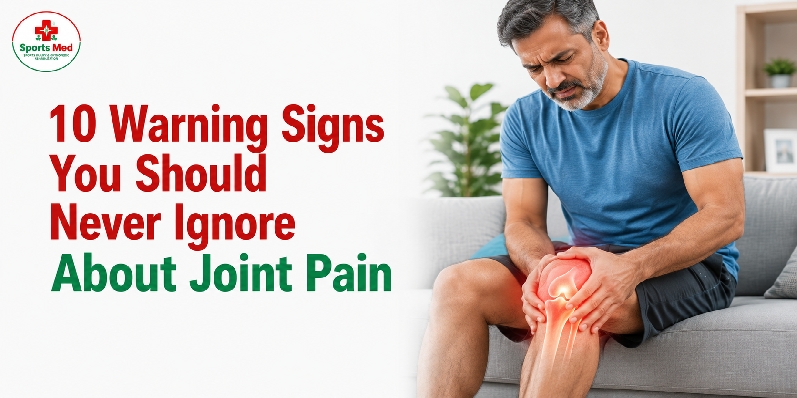
10 Warning Signs You Should Never Ignore About Joint Pain
Introduction
Joint pain is often ignored because many people assume it is caused by age, tiredness, or temporary strain. However, persistent pain in the knees, shoulders, hips, wrists, or other joints can sometimes indicate an underlying orthopedic condition that needs medical attention.
If you are experiencing continuous discomfort, understanding these warning signs can help you seek timely Joint Pain Treatment in Jaipur and avoid long-term complications.
What Is Joint Pain?
Joint pain refers to discomfort, stiffness, swelling, or reduced movement in one or more joints. It may occur due to injury, inflammation, arthritis, overuse, cartilage damage, or age-related changes.
Commonly affected joints include:
-
Knee joints
-
Hip joints
-
Shoulder joints
-
Wrist joints
-
Ankle joints
1. Persistent Joint Pain That Lasts More Than Two Weeks
Occasional pain after physical activity is common. But pain that continues for more than two weeks should not be ignored.
Persistent pain may indicate:
-
Early arthritis
-
Cartilage damage
-
Tendon inflammation
-
Joint degeneration
Seeking early evaluation can improve recovery outcomes.
2. Swelling Around the Joint
Visible swelling is often a sign of inflammation.
Watch for:
-
Puffiness
-
Warm sensation
-
Tightness around the joint
-
Difficulty bending
This is one of the most common joint pain symptoms and treatment Jaipur patients search for when symptoms become severe.
3. Morning Stiffness That Does Not Improve Quickly
If your joints remain stiff for a long time after waking up, it may suggest underlying inflammation rather than simple fatigue.
Morning stiffness can sometimes be associated with:
-
Arthritis
-
Chronic inflammation
-
Joint disorders
4. Difficulty Walking or Climbing Stairs
Struggling with daily activities may indicate worsening joint function.
Signs include:
-
Pain while standing
-
Weakness in knees
-
Reduced mobility
-
Loss of balance
People with knee-related concerns often consult a Knee Joint Pain Specialist in Jaipur for proper diagnosis.
5. Joint Pain Accompanied by Redness or Warmth
When pain appears with redness and heat, it may indicate active inflammation.
Do not delay evaluation if symptoms suddenly worsen.
6. Clicking, Grinding, or Popping Sounds
Occasional joint sounds are normal.
However, frequent sounds with pain may suggest:
-
Cartilage wear
-
Ligament issues
-
Joint instability
7. Reduced Range of Motion
If you cannot move your joint fully or comfortably, it may be a warning sign.
Examples:
-
Difficulty raising arms
-
Trouble bending knees
-
Limited hip movement
8. Pain That Disturbs Sleep
Pain severe enough to interrupt sleep should never be ignored.
Night pain may indicate:
-
Joint inflammation
-
Structural damage
-
Progressive orthopedic conditions
9. Sudden Joint Weakness
Feeling unstable or unable to support body weight may require medical evaluation.
Seek attention if weakness occurs repeatedly.
10. Joint Pain After Minor Injury That Does Not Heal
Even a small injury can sometimes lead to long-term joint problems if symptoms persist.
Persistent pain after minor trauma should be examined early.
When Should You See an Orthopedic Specialist?
You should consider professional evaluation if you experience:
✔ Persistent pain
✔ Swelling
✔ Difficulty moving
✔ Reduced mobility
✔ Pain affecting daily activities
Many patients searching for the Best Orthopedic Doctor in Jaipur typically seek care when symptoms begin interfering with normal life.
How Is Joint Pain Diagnosed?
Diagnosis may include:
-
Physical examination
-
Medical history review
-
X-rays
-
MRI scans
-
Blood investigations if needed
Proper diagnosis helps determine the most suitable treatment plan.
Treatment Options for Joint Pain
Depending on the cause, treatment may include:
-
Lifestyle modifications
-
Physiotherapy
-
Medication
-
Joint injections
-
Minimally invasive procedures
-
Surgical treatment in advanced cases
A qualified orthopedic team at a Bone and Joint Hospital in Jaipur can recommend appropriate management.
Conclusion
Joint pain should never be considered normal when symptoms continue or interfere with everyday activities. Early diagnosis and timely treatment can help maintain mobility, reduce discomfort, and prevent future complications.
Understanding these warning signs allows you to take action before the condition progresses.
Frequently Asked Questions (AEO Section)
What are the early signs of serious joint pain?
Persistent pain, swelling, stiffness, reduced movement, and difficulty walking are common warning signs.
When should I see a doctor for joint pain?
If pain lasts more than two weeks or affects daily activities, medical consultation is recommended.
Can knee pain go away without treatment?
Mild pain may improve, but recurring or severe symptoms should be evaluated.
What causes chronic joint pain?
Common causes include arthritis, inflammation, injuries, cartilage damage, and aging.
Who should I consult for knee joint pain in Jaipur?
A qualified orthopedic specialist can assess symptoms and recommend suitable treatment.