


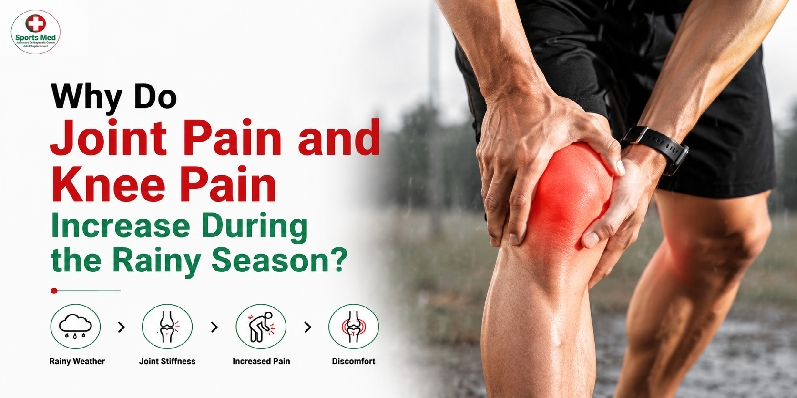
Why Do Joint Pain and Knee Pain Increase During the Rainy Season
Monsoon time is supposed to be a little relief from the scorching summer heat, yet somehow it also comes with that whole problem of aching joints, stiff knees, and general discomfort when walking or climbing stairs. If you find that your knee pain or general joint pain tends to get more intense during the rainy months, then honestly you’re not the only one. A lot of people feel a spike in symptoms then, mostly because of weather shifts, higher humidity, and a kind of reduced physical activity.Â
Now, rain itself usually does not directly damage the joints, but it can make earlier issues feel much louder. Things like ligament injuries, cartilage damage, arthritis, and meniscus tears may become more noticeable, or even seem worse. So if the pain continues, or keeps getting worse instead of easing, it’s smart to consult a knee pain specialist in Jaipur. They can help figure out what’s really going on, and support you in preventing longer-term complications.
Why Does Knee Pain Increase During the Rainy Season?
Several factors contribute to increased knee and joint pain during monsoon:
1. Changes in Atmospheric Pressure
One of the most common reasons is a drop in barometric pressure before or during rainfall. Lower air pressure may allow tissues around the joints to expand slightly, increasing pressure on sensitive nerves and causing discomfort, especially in people with existing knee conditions.
2. Increased Humidity
High humidity can make muscles and ligaments feel stiffer, reducing flexibility and increasing joint discomfort. This is particularly noticeable in people recovering from sports injuries or previous knee surgeries.
3. Reduced Physical Activity
Rain often limits outdoor activities, leading to less movement. Sitting for long periods can make joints stiff and muscles weaker, increasing knee pain and reducing mobility.
4. Existing Knee Injuries
Old ligament injuries, meniscus tears, or cartilage damage often become more symptomatic during weather changes. Even if an injury occurred months or years ago, monsoon conditions can make symptoms more noticeable.
Common Causes of Knee Pain During Monsoon
Not every case of knee pain is caused by arthritis. Some common conditions include:
-
ACL and PCL ligament injuries
-
Meniscus tears
-
Cartilage wear and tear
-
Osteoarthritis
-
Patellofemoral pain syndrome
-
Tendon inflammation
-
Sports-related knee injuries
A proper clinical examination and imaging, when required, help determine the exact cause of pain. Visiting a knee ligament surgeon in Jaipur is recommended if knee instability, swelling, or repeated injuries are present.
Symptoms You Should Not Ignore
Seek medical evaluation if you experience:
-
Persistent knee pain lasting more than a few days
-
Swelling around the knee
-
Difficulty walking or climbing stairs
-
Knee locking or catching
-
Clicking or popping sounds with pain
-
Feeling that the knee gives way
-
Limited range of motion
-
Pain that worsens during activity
Early diagnosis often leads to better treatment outcomes and faster recovery.
Who Is More Likely to Experience Knee Pain During Rainy Weather?
The following individuals may notice worsening symptoms:
-
Older adults with arthritis
-
People recovering from knee surgery
-
Athletes and active individuals
-
Those with previous ligament or meniscus injuries
-
Individuals who are overweight
-
People with physically demanding jobs
If you participate in sports and experience repeated knee discomfort, consulting a sports knee injury specialist in Jaipur can help prevent further damage and support a safe return to activity.
How to Reduce Knee Pain During the Rainy Season
Simple lifestyle changes can help manage symptoms.
Stay Physically Active
Gentle exercises such as walking indoors, stretching, cycling, and physiotherapy exercises help maintain joint mobility and muscle strength.
Maintain a Healthy Weight
Extra body weight increases pressure on the knee joints. Even modest weight loss can reduce pain and improve function.
Keep Your Joints Warm
Warm clothing and hot compresses may help reduce muscle stiffness and improve comfort during damp weather.
Strengthen Supporting Muscles
Exercises targeting the quadriceps, hamstrings, and hip muscles improve knee stability and reduce stress on the joint.
Wear Proper Footwear
Supportive shoes with good cushioning help reduce impact on the knees while walking on slippery surfaces.
When Should You See a Specialist?
You should not ignore knee pain if it:
-
Continues despite rest
-
Interferes with daily activities
-
Causes instability or repeated falls
-
Is associated with swelling or locking
-
Follows a sports injury or accident
An experienced orthopedic specialist can identify whether your symptoms are related to arthritis, ligament damage, meniscus injury, or another underlying condition.
How Is Knee Pain Diagnosed?
Diagnosis usually includes:
-
Detailed medical history
-
Physical examination
-
Knee stability assessment
-
Range of motion evaluation
-
X-rays (if needed)
-
MRI for ligament, cartilage, or meniscus injuries
Accurate diagnosis helps ensure that treatment targets the actual cause rather than just masking symptoms.
Knee Pain Treatment Options
The right treatment depends on the severity and cause of your condition. Common options include:
Non-Surgical Treatment
-
Activity modification
-
Physiotherapy
-
Strengthening exercises
-
Anti-inflammatory medications (when appropriate)
-
Knee braces
-
Lifestyle and weight management
Many patients improve without surgery through a structured rehabilitation program.
Arthroscopic Knee Surgery
When conservative treatment does not relieve symptoms or when there is significant ligament or meniscus damage, minimally invasive arthroscopic surgery may be recommended. This procedure allows faster recovery, smaller incisions, and earlier rehabilitation compared to traditional open surgery.
If you are looking for knee pain treatment in Jaipur, early consultation can help determine whether non-surgical care or arthroscopic intervention is the most appropriate option.
Can Rainy Weather Permanently Damage Your Knees?
No. Rain itself does not damage healthy joints. However, weather changes can make existing problems more noticeable. Persistent pain may indicate an underlying condition that requires medical evaluation rather than simply waiting for the weather to improve.
If joint discomfort continues or affects your quality of life, seeking joint pain treatment in Jaipur can help identify the cause and provide an individualized treatment plan.
Frequently Asked Questions
Does rainy weather actually cause knee pain?
Rain does not directly cause knee pain, but changes in humidity and atmospheric pressure may increase discomfort in people with existing joint or knee conditions.
Is knee pain during monsoon always a sign of arthritis?
No. Knee pain can also result from ligament injuries, meniscus tears, cartilage damage, tendon problems, or sports injuries.
Can exercise help reduce rainy season knee pain?
Yes. Regular low-impact exercises, stretching, and strengthening programs help improve joint flexibility and reduce stiffness.
When should I see a doctor for knee pain?
If your pain lasts more than a few days, is associated with swelling, instability, locking, or limits your daily activities, consult an orthopedic specialist.
Conclusion
Rainy weather may increase the discomfort associated with existing knee and joint problems, but it should never be ignored if symptoms become persistent or severe. Early diagnosis, appropriate rehabilitation, and timely treatment can help prevent long-term complications and keep you active.
If you are experiencing persistent knee pain, swelling, or sports-related injuries, consulting an experienced orthopedic specialist can help you receive an accurate diagnosis and a personalized treatment plan for lasting relief.
Â