


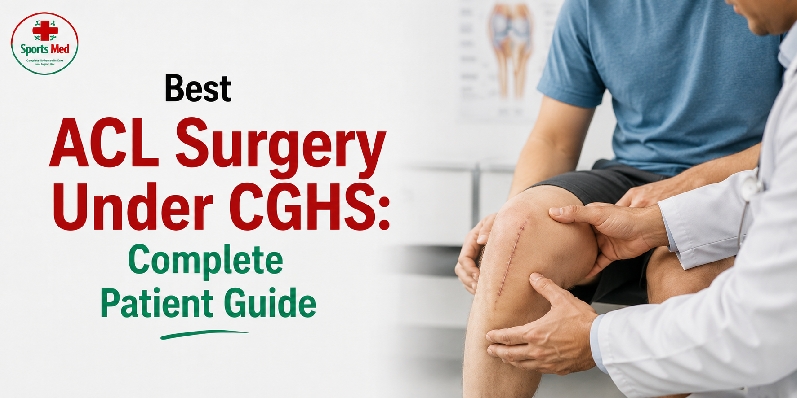
ACL Surgery Under CGHS: Complete Patient Guide
An ACL (Anterior Cruciate Ligament) tear is one of the more common knee injuries, particularly among athletes, fitness enthusiasts and even people facing road traffic accidents or those sudden twisting kinds of injuries. If it is not treated, an ACL injury can cause knee instability, repeated falls, meniscus damage, and also lead to longer-term joint troubles.
If you are a CGHS beneficiary, you might be thinking, can ACL Surgery Under CGHS really be done? Also, who exactly is eligible, and how does the whole process work step by step.
This patient guide sort of covers the whole picture about CGHS ACL surgery, so you can get a bit more clarity on eligibility , treatment options , recovery timelines , and also on why choosing a seasoned ACL surgeon in Jaipur really matters a lot for a better result.
What Is an ACL Tear?
The Anterior Cruciate Ligament (ACL) is one of the four big ligaments that stabilize your knee. It keeps the shin bone from moving way too far forward, and it also helps you keep balance while you do things like running, jumping, pivoting and switching your direction.
An ACL tear commonly occurs due to:
-
Sports injuries
-
Road traffic accidents
-
Sudden twisting of the knee
-
Landing awkwardly after a jump
-
Direct impact during sports
Common Symptoms
-
A popping sound at the time of injury
-
Sudden knee pain
-
Swelling within a few hours
-
Knee instability or giving way
-
Difficulty walking
-
Reduced range of motion
If these symptoms persist, consult a sports injury specialist as early diagnosis can improve treatment outcomes.
Is ACL Surgery Covered Under CGHS?
Yes. ACL surgery under CGHS is available for eligible beneficiaries when the procedure is medically indicated and performed according to current CGHS rules and at an empanelled hospital.
The exact approval process may vary depending on the patient's category and referral requirements.
Who Is Eligible for CGHS ACL Surgery?
Generally, CGHS ACL surgery is available for:
-
Central Government employees
-
CGHS pensioners
-
Eligible family dependents
-
Other beneficiaries covered under CGHS
Before treatment, patients should ensure:
-
Their CGHS card is active.
-
Required referrals or approvals are completed.
-
Treatment is taken at a CGHS-recognized hospital, as applicable.
When Is ACL Surgery Required?
Not every ACL injury requires surgery.
Your doctor may recommend CGHS ACL reconstruction if:
-
The ACL is completely torn.
-
Your knee repeatedly gives way.
-
You want to return to sports.
-
Multiple ligaments are injured.
-
There is associated meniscus or cartilage damage.
-
Physiotherapy alone has not restored knee stability.
Each patient is different, and treatment should always be based on a detailed clinical examination and MRI findings.
What Happens During ACL Reconstruction?
CGHS ACL reconstruction is usually performed using minimally invasive arthroscopic surgery.
During the procedure:
-
Small incisions are made around the knee.
-
An arthroscope (camera) is inserted.
-
The damaged ACL is removed.
-
A tendon graft is placed to reconstruct the ligament.
-
The graft is fixed using specialized implants.
Arthroscopic ACL reconstruction generally allows smaller incisions, less tissue damage, and a structured rehabilitation program.
Recovery After ACL Surgery
Recovery depends on your injury, fitness level, and commitment to rehabilitation.
Week 1–2
-
Pain and swelling management
-
Walking with support
-
Gentle range-of-motion exercises
Weeks 3–6
-
Muscle strengthening
-
Improved walking
-
Better knee movement
Months 2–4
-
Balance training
-
Functional exercises
-
Progressive strengthening
Months 6–9
-
Return to sports after medical clearance
-
Sport-specific rehabilitation
Following your physiotherapy plan is just as important as the surgery itself.
Benefits of ACL Surgery Under CGHS
Patients undergoing ACL surgery under CGHS may benefit from:
-
Improved knee stability
-
Better confidence while walking
-
Reduced episodes of knee giving way
-
Return to sports and daily activities
-
Protection against further meniscus and cartilage damage
-
Better long-term knee function
Why Choose Sports Injury Care for CGHS ACL Treatment?
Choosing the right specialist plays a major role in successful recovery.
At Sports Injury Care, patients receive comprehensive care for CGHS ACL treatment, from diagnosis to rehabilitation.
Why Patients Trust Sports Injury Care
-
Experienced ACL surgeon in Jaipur specializing in sports injuries
-
Advanced arthroscopic ACL reconstruction techniques
-
Personalized treatment plans for every patient
-
Modern diagnostic and rehabilitation facilities
-
Comprehensive physiotherapy guidance
-
Focus on restoring strength, stability, and mobility
-
Dedicated care for athletes and active individuals
-
Patient-centered approach with long-term follow-up
Whether you are a professional athlete or someone looking to regain pain-free movement, Sports Injury Care provides evidence-based treatment tailored to your needs.
Frequently Asked Questions
Is ACL surgery painful?
Modern arthroscopic surgery, anesthesia, pain management, and rehabilitation help minimize discomfort after surgery.
Can an ACL tear heal without surgery?
Some partial tears may improve with physiotherapy. Complete ACL tears causing instability often require reconstruction.
How long does ACL surgery take?
Most ACL reconstruction surgeries are completed within approximately 1–2 hours, depending on the complexity of the injury.
Can I walk after ACL surgery?
Most patients begin walking with support shortly after surgery as advised by their surgeon and physiotherapist.
Does CGHS cover ACL reconstruction?
Yes, eligible beneficiaries can undergo CGHS ACL reconstruction according to current CGHS guidelines and hospital eligibility requirements.